Nobody Reads the Fine Print Until Someone Quits: Building a Club Exit Policy That Saves Friendships

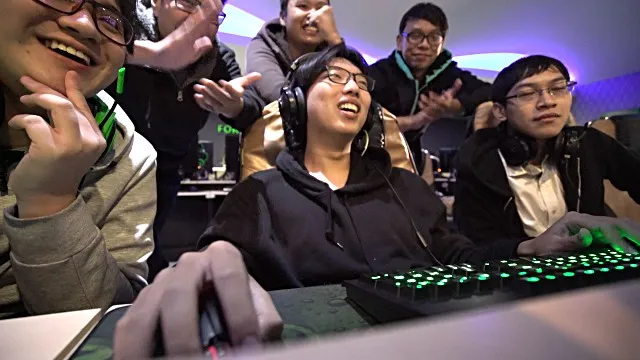
Photo: Gamesingear, CC BY-SA 3.0, via Wikimedia Commons
Every gaming club starts the same way: a few friends, a shared lobby, and a casual agreement that money stuff will "just work itself out." Then, three weeks into the season, your best sniper announces they're moving to Denver, and suddenly everyone's doing mental math about the $180 tournament pool they all chipped into.
If your club doesn't have an exit policy, that math turns into an argument. And if the argument goes badly, you don't just lose a player — you lose the whole vibe.
The Horror Story Every Club Eventually Lives
Ask around and you'll hear versions of the same tale. A six-person crew in Ohio pooled cash for a regional esports qualifier. One player dropped out before the event, demanded a refund, and got told no. He disputed the Venmo charge. The bank sided with him. The club ate the loss, and two members stopped showing up to game night because they picked different sides of the feud.
Nobody was a villain here. That's the uncomfortable part. The departing player figured money back equals money out. The remaining crew figured shared funds are sunk costs. Both positions are reasonable — which is exactly why you need something in writing that settles it before emotions get involved.
Why "We're All Friends" Isn't a Policy
Casual clubs resist formal rules because it feels bureaucratic. You're not a Fortune 500 company; you're five people and a Discord server. But that's precisely the problem. Big organizations have lawyers and contracts. Small clubs have vibes, and vibes don't hold up when someone asks for their $45 back.
An exit policy isn't about distrust. It's the opposite — it's a promise you make to each other while everyone's on good terms, so nobody has to negotiate from a place of hurt feelings later.
The Three-Bucket Framework
When your club pools money, sort it into three buckets and write down the rules for each:
Bucket one: Spent funds. Entry fees already paid, snacks already bought, jerseys already ordered. This money is gone regardless of who stays or leaves. Make this explicit. "Dues are non-refundable once spent" should be a sentence everyone reads before they chip in the first time.
Bucket two: Active pools. Prize money, season funds, savings for future events. Here's where clubs differ. Some say departing members forfeit everything. Others refund a pro-rated share. Our take: refund nothing for pools tied to a season in progress, but return a pro-rated share of long-term savings — say, a club fund accumulating for a big convention trip next summer. The person shouldn't bankroll a trip they're not taking, but they also shouldn't tank the current season's prize pool on the way out.
Bucket three: Winnings. If your club wins a tournament, does the departed member get a slice? The fairest rule we've seen: winnings are split based on participation. If they played in the qualifying rounds, they earn a share. If they left before the bracket even started, they don't. Write the threshold down — "played at least one official match" is a clean line.
Putting It in Writing (Without Making It Weird)
You don't need a notary. A pinned message in your group chat or a one-page note in your club's shared doc does the job. Three things to include:
- The refund rule. State plainly what happens to each bucket when someone leaves.
- The timing rule. Notice period — two weeks is common — so the club can adjust rosters and the departing member isn't blindsided.
- The dispute rule. If people disagree, the club votes. Majority rules, and everyone agrees in advance to accept the result.
Have every member give it a thumbs-up in the chat. That's your paper trail.
The Deeper Point
Money arguments are rarely about money. They're about feeling respected on the way out — or feeling taken advantage of after someone leaves. A written exit policy tells your people that the club is bigger than any one roster spot, and that leaving won't cost anyone a friendship.
BHT Club Game exists because the best part of casual gaming is the crew you build it with. Protect the crew. Write the policy this week, while everyone still likes each other. Future you — the one staring down an awkward group chat on a Tuesday night — will be grateful you did.