Somebody Grab a Pen: Your Game Club Needs a Historian Before the Legends Fade
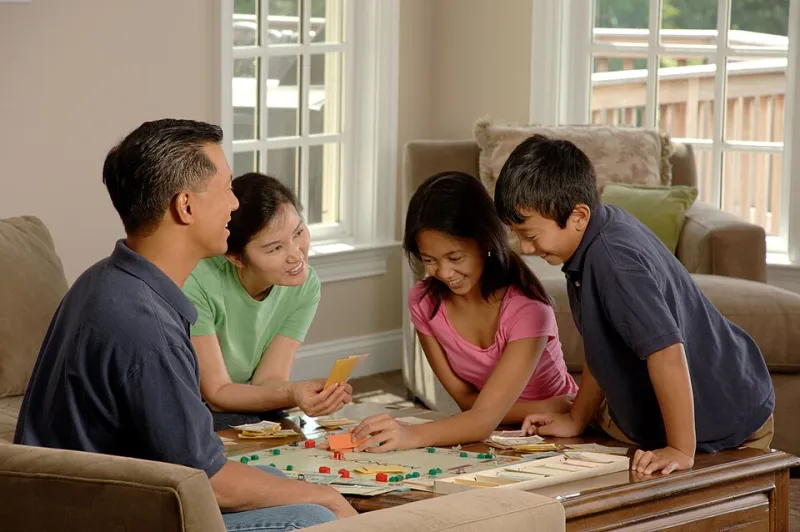
Photo: Bill Branson (Photographer), Public domain, via Wikimedia Commons
Every gaming club has its own version of the Immaculate Game. That one night in the fall of 2022 when Marcus came back from a 40-point deficit. The time the Wi-Fi died during the tournament final and you all finished the match on hotspots like it was a heist movie. The cursed three-month losing streak that turned Dave into a philosopher.
Here's the problem: those stories live in exactly one place — your group chat's collective memory. And that memory is terrible. Ask three members what actually happened and you'll get three different scores, two different dates, and at least one completely fabricated detail that somehow becomes canon anyway.
The Case for a Club Historian
We're not talking about a journalism degree or a Notion database with 47 nested pages. A club historian is just the person who scribbles down the highlights so the legends survive longer than the group chat's scroll-back limit.
Think about sports teams. Nobody remembers a random Tuesday game — they remember the rivalries, the records, the moments that got written down and retold. Your club deserves the same treatment. When someone joins six months from now, a historian's log means they can actually understand why everyone yells "GREG'S BLUNDER" when a certain card gets played.
There's a sneaky side benefit, too: being recorded makes game night feel like it matters. People show up differently when they know a comeback attempt might make the annals.
What the Historian Actually Does
Keep it simple. The job is three things:
1. The running log. A shared Google Doc or Notes file titled something dumb like "The Club Archives" works fine. After each session, the historian spends five minutes jotting the date, who showed up, what got played, and the single most ridiculous moment. That's it. Five minutes.
2. Stats that become mythology. Track whatever's funny: longest win streak, most rage-quits in one night, lifetime record in the tiebreaker game. Nobody needs a spreadsheet with formulas — a tally mark system in the doc works. But those numbers become the backbone of every future argument, and arguments are half the fun.
3. The inside joke dictionary. Every club accumulates phrases that mean nothing to outsiders. Write them down with a one-line origin story. Future members will thank you, and honestly, reading the dictionary back at an anniversary hang is comedy gold.
Photo Traditions That Don't Feel Like Chores
Nobody wants to be the paparazzi friend. Instead, make it a ritual: one group photo at the end of every big tournament, win or lose, same spot on the couch if possible. Over a couple of years, that photo series becomes a genuinely heartwarming timeline — new faces appearing, old couches replaced, someone's kid eventually wandering into frame.
If your crew plays online, screenshot the final scoreboard and drop it in the doc. A folder full of lopsided scores tells a better story than any trophy.
The Anniversary Retrospective
Here's where the historian earns their (nonexistent) salary. Once a year — pick your club's founding month — have them put together a quick "year in review." It can literally be a 10-slide phone photo dump or a message read aloud before the first match: top moments, biggest rivalries, awards like "Most Likely to Blame Lag."
It sounds corny written down, but in practice it's the kind of ritual that separates a club that lasts a decade from one that quietly dissolves when everyone gets busy. You can't celebrate a legacy you never bothered to record.
Rotating the Role (So Nobody Resents It)
Don't volunteer-shame one person into forever-historian duty. Rotate it every quarter, or make it the official job of whoever hosted that night. The log stays fresh, the voice changes, and no one burns out on transcribing Dave's monologues.
The bottom line: your club is already making history every game night. It just doesn't know it yet. Hand somebody a pen — or, more realistically, the shared doc password — and give your greatest moments a fighting chance at being remembered accurately. Or at least remembered at all.