The Hand-Me-Down Club: Passing Game Night Knowledge to Your Kids (or Nieces and Nephews)
Photo: FOTO:Fortepan — ID 76707: Adományozó/Donor: Erky-Nagy Tibor. archive copy at the Wayback Machine, CC BY-SA 3.0, via Wikimedia Commons
Somewhere along the way, most of us forgot what it felt like to learn a game for the first time. We know the rules cold, we know the shortcuts, we know exactly how much trash talk is too much. Then a niece asks if she can join your Mario Kart session, or a nephew wanders into the room while you're deep in a board game with the crew, and suddenly you're the veteran with a rookie at the table.
Congratulations — you've just been promoted to club historian.
Teaching younger relatives to play isn't the same as teaching your friends. Kids don't care about your win rate, and they definitely don't care that you've been running a weekly game night since before they were born. What they care about is whether it's fun, whether they get a fair shot, and whether you're actually paying attention to them. Get those three things right and you've got a gaming partner for life. Get them wrong and they'll be back to their tablet before the second round.
Start With Games That Forgive
The biggest mistake experienced players make with kids is opening with the hard stuff. Save the four-hour strategy epic for later. Start with games where losing doesn't sting and the rules fit on a napkin.
Good entry points include:
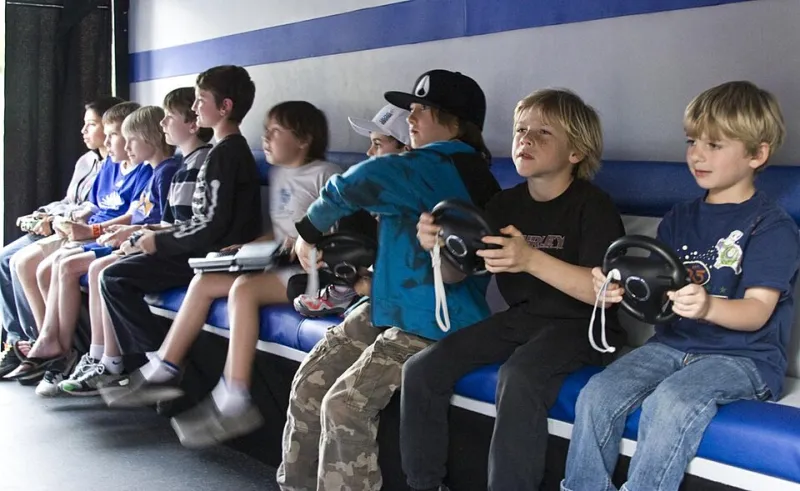
- Party-style video games — anything with simple controls and short rounds. When a match lasts three minutes, a rough loss is easy to shake off.
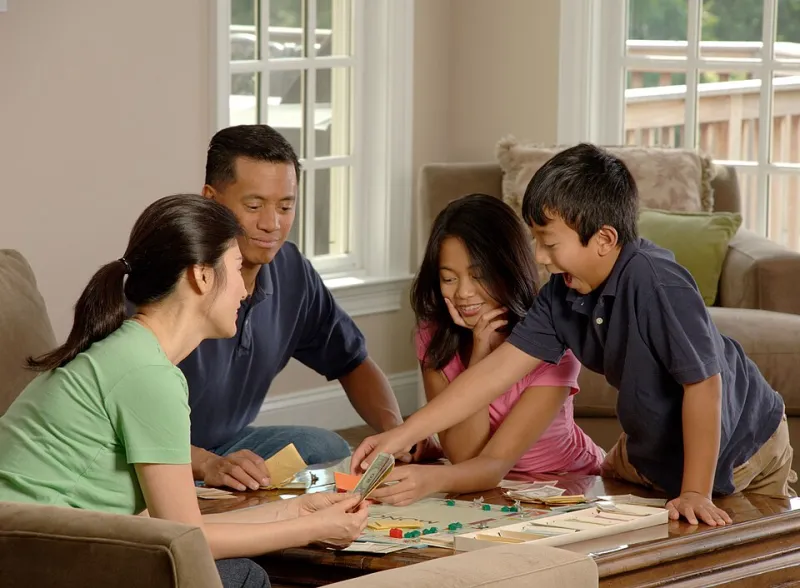
- Co-op board and card games — titles where everyone works together let kids learn the rhythm of a game night without the pressure of head-to-head competition.
- Classic card games — Crazy Eights, Go Fish, Uno. There's a reason these have survived generations of American living rooms. They're cheap, fast, and endlessly replayable.
- Racing and sports games — the universal babysitter. Even a five-year-old can hold a controller and finish last in Mario Kart with a huge grin.
The goal for the first few sessions isn't mastery. It's association. You want them to hear "game night" and think about hanging out with you, not about getting lectured on rules.
Adjust the Rules Without Breaking the Game
Every family develops house rules, and when kids join in, it's time to write a few more. The trick is adjusting the game so it's fair without making it obvious that you're letting them win. Kids can smell a mercy loss from across the room, and nothing kills their pride faster.
A few approaches that work:
- Handicaps, not handouts. In racing games, give yourself a worse kart or race with the screen covered. In board games, start with fewer resources. They get a level field; you get a challenge.
- Play open-handed early on. Let them see your cards or your strategy and talk through your thinking out loud. It slows you down naturally and teaches them how an experienced player makes decisions.
- Shorten the game, not the fun. A best-of-three instead of a full tournament. A 30-minute session instead of a two-hour one. End while they're still having a good time, and they'll ask to play again.
- Let them make the call. Give kids ownership of something — picking the game, choosing teams, deciding the snack. It signals that this is their club too, not just yours.
And when they do beat you fair and square — and eventually they will — lose like you'd want a clubmate to lose to you. Groan, laugh, demand a rematch. That's the moment they learn what good sportsmanship actually looks like, because they're seeing it, not being told about it.
The Legacy Nobody Puts on a Trophy
Here's the thing about casual gaming clubs: the games themselves aren't really the point. The point is showing up, being part of something, treating people well when the dice go your way — and especially when they don't. Those are the lessons worth passing down, and a family game night is the lowest-stakes classroom you'll ever find.
Think about what you wish someone had taught you at ten years old. Maybe it's that losing a close game is way more fun than winning a blowout. Maybe it's that the person who rage-quits doesn't get invited back. Maybe it's simply that the friend who brings the snacks always gets remembered fondly.
Teach those things at the kitchen table now, and you're not just filling a rainy Saturday. You're building the next generation of people who know how to share a lobby, take a loss, and make room for one more player at the table.
Keep It on the Calendar
One-off sessions are great, but the magic happens with repetition. Put a regular family game night on the calendar the same way you'd schedule your club's weekly meet-up. Keep a small rotation of games the kids already know, add one new game every month or two, and let them bring a cousin or a friend when they want.
Before long, you'll notice something: they'll start explaining the rules to the newer kids. They'll enforce the house rules. They'll remind you when it's game night.
That's when you know the hand-me-down worked. The club has a new generation, and honestly? They're pretty good recruits.