Five Bucks and a Dream: The Case for Charging Your Game Club Dues
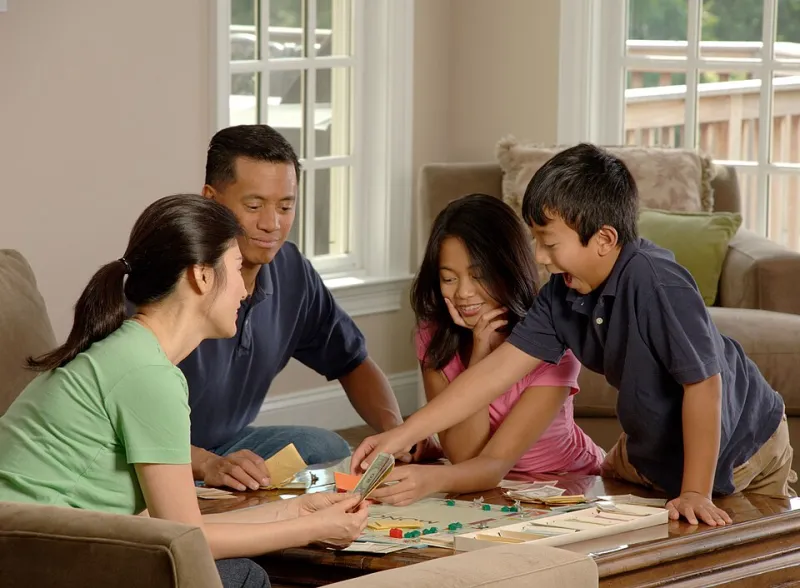
Photo: Bill Branson (Photographer), Public domain, via Wikimedia Commons
Nobody starts a game club because they want to be a treasurer. You start one because six people showed up to your place on a Tuesday and it felt pretty good, and then it happened again, and now there's a group chat with a name like "The Dice Goblins" and a running joke about who always picks the party game nobody likes.
Then one night you float the idea of dues, and suddenly you're the guy trying to monetize friendship. We get it. But hear us out: a tiny membership fee — we're talking five bucks a month, less than a combo meal — might be the single best upgrade you can make to a casual club.
Skin in the Game Is Real
There's a well-worn line in behavioral psychology: people show up differently for things they've paid for. A free event is easy to skip. A paid one has a little voice in your head saying, "You already put money down, don't waste it."
If your club has ever dealt with the classic flake spiral — eight maybes, four maybes become maybes, three people show up — a nominal fee quietly fixes a lot of that. It's not about the money. It's about the commitment signal. When someone hands over five dollars, they're telling the group (and themselves) that this is a real thing on their calendar, not a soft maybe they'll bail on if a better offer appears.
There's a second, sneakier benefit: paying members stop acting like guests. Guests wait to be entertained. Members ask what they can bring, whether they can host next month, if anyone wants to split the new party game. That shift from attendee to owner is the whole ballgame.
What Five Bucks a Month Actually Buys
You don't need a big budget to make dues feel worthwhile. A handful of regulars pitching in adds up fast, and a little pooled cash unlocks stuff that's awkward to ask for individually:
- A trophy situation. A cheap engraved plaque or a ridiculous thrift-store trophy that gets passed to each tournament winner does more for club morale than any prize card. Winners want their name on something. Trust us.
- A standing snack fund. Nobody wants to Venmo-request three dollars for pretzels. A snack budget kills the most annoying micro-transaction in casual gaming.
- A shared game library. Pool dues for a few months and the club can buy one game everyone's been eyeing. Now it belongs to the group, not to whoever's living room you're in.
- A rainy-day cushion. When you eventually want to book a bowling alley, rent a pavilion for a summer cookout, or cover entry fees for a local tournament, the money's just there.
Rolling It Out Without a Mutiny
Okay, so how do you introduce this without half the group chat going dark? A few ground rules from clubs that have pulled it off:
Frame it as a club fund, not a fee. Language matters. "Dues" sounds like a gym. "Everyone throws in five a month so we can finally get that trophy and stop fighting over snack money" sounds like a plan.
Start with a trial run. Announce a three-month experiment with a clear goal: "If we all pitch in through spring, we buy the club trophy and stock the snack drawer." A trial feels low-stakes; a permanent policy feels like a meeting.
Be transparent to the penny. Post the running balance in the group chat. Nothing builds trust like everyone seeing exactly where the twelve dollars went.
Keep a hardship exception. If someone's between jobs or a student on a budget, let them pay what they can — or nothing. The fee's job is commitment, not revenue. Nobody should miss game night over five dollars.
Deliver something visible fast. Spend the first month's pot on something everyone sees immediately. The worst outcome is dues that vanish into a vague void; the best is a trophy on the shelf by week three.
The Payoff Nobody Expects
Here's the thing that surprises most club organizers: the fee usually ends up mattering less than the ritual around it. That monthly five-dollar handoff becomes a small tradition, a moment where the group tacitly agrees — again — that this thing is worth keeping alive.
Casual clubs die from drift, not drama. People get busy, RSVPs get soft, and six months later nobody's played anything together. A membership fee is a cheap, friendly anchor against that drift. It says, out loud, that the club is a thing, not just a group chat.
Five bucks. One trophy. Zero awkward Venmo requests. Your call, Dice Goblins.