The Empty Chair at the Table: When a Founding Member Moves On

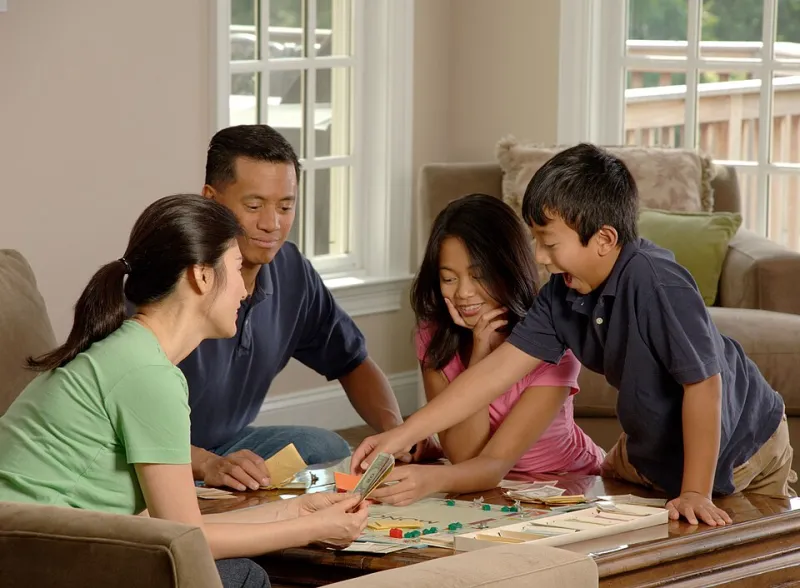
Photo: Chenspec, CC BY-SA 4.0, via Wikimedia Commons
There's a specific kind of silence that hits around week six. The first week your buddy misses game night, you shrug. The second, you send a meme in the group chat. By the sixth, nobody's asking anymore — and that's when you realize the club has quietly reshaped itself around an absence.
If you've run a casual gaming club long enough, you know this story. The founding member — the one who hosted the first-ever session, who coined your inside jokes, who rage-quit Mario Kart with such theatrical fury it became canon — stops showing up. Not with drama. Not with a farewell tour. Just... life. A new job with a brutal commute. A newborn who's redefined the word "free time." Or sometimes just burnout, the slow fade that nobody notices until it's complete.
It's a small grief, but it's real. And clubs that don't talk about it tend to handle it badly. So let's talk about it.
Name the Fade Out Loud
The worst outcome isn't that someone leaves — it's that the club pretends they didn't. Unspoken absences breed resentment on both sides. The person who's drifting feels guilty every time they see the group chat light up. The people still showing up feel quietly abandoned but can't say so without seeming petty.
The fix is almost embarrassingly simple: say something. A private message, not a public intervention. Something like, "Hey, no pressure at all, but we've noticed you haven't been around. You good?" Most of the time, you'll get one of three honest answers: overwhelmed, moving on, or just needs a longer break. All three are workable. None of them work if nobody speaks up.
Keep the Spot Warm, Not Sacred
Here's where clubs split into two camps, and both get it wrong. One camp erases the person instantly — removes them from the roster, reassigns their main, moves on like they were never there. The other camp freezes the seat indefinitely, treating the empty chair like a shrine nobody's allowed to touch.
The healthier move is somewhere in between. Keep their spot open for a season — a real, defined window, like three months or the end of the current tournament ladder. Tell them you're doing it. "The door's open, no guilt if you walk through it, and no guilt if you don't." That one sentence does more for a struggling friend than a hundred "we miss you!" texts.
And if they do come back? Welcome them like a regular, not a ghost. Don't make their return a whole ceremony. Just deal them in.
When Someone New Sits Down
Eventually, if the absence stretches on, someone new fills the gap. Maybe a coworker, a partner of an existing member, a recruit from your community events page. And here's the tricky part: the club's loyalty to the absent founder can leak out as coldness toward the newcomer. Nobody means to do it. But when the new person suggests a game the founder hated, or laughs in a seat that used to be "theirs," old-timers bristle.
Name that feeling internally so it doesn't poison the table externally. The founder isn't being replaced. People aren't interchangeable, which means the new person can't be a copy — they can only be an addition. Give them the same grace you'd want: time to learn the inside jokes, room to bring in new ones, and a fair shot at the snack rotation.
Honor the Legacy Without Building a Museum
The best tribute to a founding member isn't a plaque — it's continuity. The traditions they started, keep running. The house rules they fought for, keep enforcing (even the weird one about no screen-watching in Catan — especially that one). The tournament they ran every spring? Give it their name, if they'd find that funny rather than mortifying. You know your person.
What you want to avoid is the museum treatment: freezing the club in the era when they were around, refusing to evolve, treating every change as a betrayal. Clubs are living things. The people who build them usually want them to outlast their own attendance, not die of nostalgia.
The Honest Goodbye
Sometimes, though, the right move is an actual goodbye. If months pass, if the drift is clearly permanent, let it be what it is. A final message — warm, short, no guilt-tripping. "You built half of what this club is. Door's always open. Go crush it out there." Then, and only then, let the seat genuinely open up.
That's not disloyalty. That's the whole point of a club like ours: it's a table where people gather, not a cage that keeps them. The founders gave us the table. Our job is to keep filling it.
And if you're the one who's been drifting? Trust me — one good night back, one round of chaos with the crew, and you'll remember why you showed up in the first place. The chair's still there. It's just been waiting.