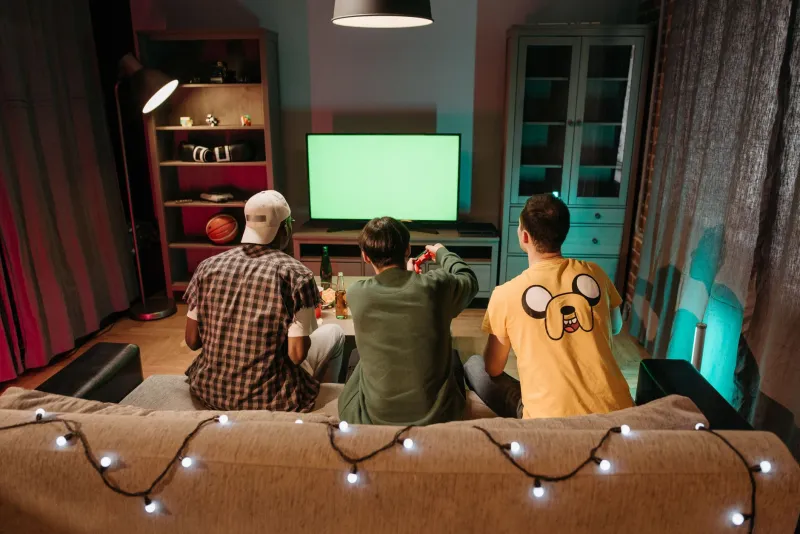
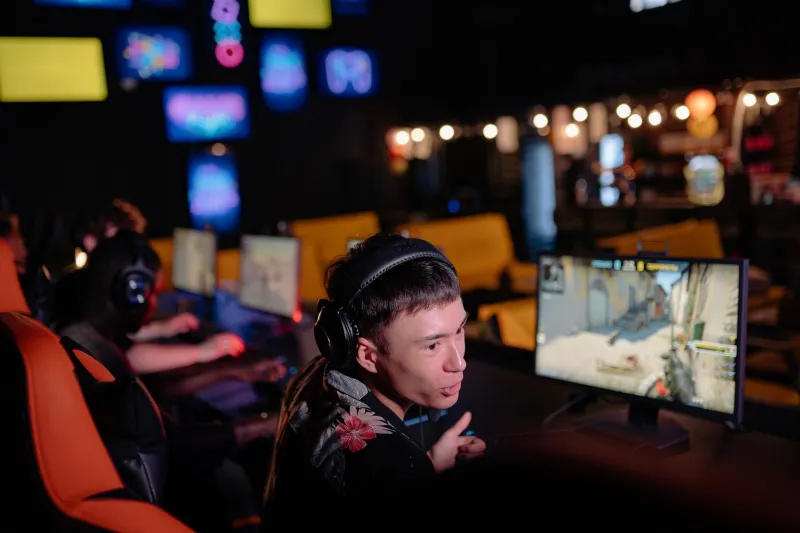
The Zero-Dollar Game Night: How to Run a Weekly Club Night Where Nobody Spends a Cent

Every game club hits the same wall eventually: somebody's out of work, somebody's got a car payment, and suddenly the $30 co-op title nobody can afford is the reason Thursday fell apart. We've been there. So when our crew downsized budgets last year, we made a club rule that changed everything — the game night itself is always free.
Turns out, you can build a whole month of game nights on $0. Here's exactly how we did it, including the rotation schedule we still use.
First, Separate "Free" from "Free-ish"
Not all free-to-play games are created equal, and the difference matters when you're trying to keep a club vibe alive.
There are games that are genuinely free — everything meaningful is unlocked by playing. Then there are games that are free the way a gas station sample is free: technically, but you're going to feel weird if you don't buy something.
Our club standard is simple: if a game makes the broke friend feel like a second-class citizen, it's off the roster. That means no games where the paid battle pass gets exclusive cosmetics while the free player runs around in default gear all season. It sounds petty until you're the one in the default gear.
Titles that have earned permanent spots on our rotation:
- Rocket League — Cars playing soccer. Deep enough to stay interesting for years, and paying players gain zero competitive advantage.
- Fortnite — Yes, it's everywhere, but the core loop is fully free and the crew modes are genuinely good.
- Brawlhalla — A platform fighter that scratches the Smash itch for cross-play groups, and legends rotate weekly for free.
- Warframe — For the nights when half the crew wants something with more depth. Grindy, but generous.
- Fall Guys — Chaotic, silly, perfect as a night-ender when everyone's tired but nobody wants to log off.
- The Finals — Team-based shooter with destruction physics that never stops being funny.
- Marvel Rivals — Hero shooter energy without a hero shooter price tag.
Every one of these runs cross-play, which matters more than you'd think when your crew is split between a PS5, a gaming laptop, and a Switch that's mostly used for Mario Kart.
The Monthly Rotation That Keeps It Fresh
Here's the schedule we landed on after a few months of trial and error. Four weeks, four different flavors:
Week 1 — Competitive Night. Rocket League or Marvel Rivals, with a running club leaderboard tracked in a shared Google Sheet. Trash talk is encouraged; rage-quitting costs you snack duty at the in-person hangouts.
Week 2 — Chaos Night. Fall Guys and Brawlhalla. Low stakes, loud voices, lots of laughing at physics. This is the night we invite new people to, because nothing's more welcoming than watching everybody fail together.
Week 3 — Grind Night. Warframe or whatever deeper game half the crew is into. This is opt-in — the folks who want to just hang in voice chat can, and nobody feels obligated.
Week 4 — Tournament Night. A single-elimination bracket in whatever game dominated the month. Winner picks next month's competitive game. Prizes are bragging rights and, occasionally, someone mailing the winner a $5 gift card because they feel like it.
The rotation solves the biggest problem with free games: burnout. Playing the same free title every week is how clubs die. Rotating keeps any single game's grind from wearing everybody down.
Setup Tips for New Players
The barrier to entry for free games is basically zero, which is great — until your newest member shows up to Rocket League having never touched it and gets scored on eleven times.
A few things our club does that you should steal:
- Create a 15-minute warm-up rule. Nobody queues ranked in the first fifteen minutes. New folks get a private lobby with two veterans to learn the ropes.
- Keep a pinned "getting started" post in your group chat with download links, account setup steps, and the three settings every new player should change (turn down music, turn up voice chat, enable cross-play).
- Ban smurfing from the start. Veterans don't stomp new players, period. If the skill gap is huge, the veteran plays a less-used character or self-imposes a handicap.
- Voice chat from minute one. Free games attract randoms, and being in a club voice channel is what separates "playing a free game" from "hanging out with the club."
Keeping the Grind From Souring the Vibe
The dark side of free-to-play is the daily login, the seasonal battle pass, the FOMO engine running 24/7. Left unchecked, it turns a fun club night into a second job.
Our fix: the club plays what the club votes on, not what the game's login calendar demands. If a season ends and half the crew didn't finish the pass, that's a shrug, not a crisis. The moment a game starts feeling like homework, it goes on the bench for a month or two.
One more rule worth adopting: no purchases during game night. Not because spending is bad, but because free night should feel free. If somebody wants to buy a skin on their own time, that's their business. At the table — virtual or otherwise — everybody's on equal footing.
The Bottom Line
A game club's real product isn't the games. It's the standing appointment, the inside jokes, the leaderboard arguments that last three weeks. Free-to-play titles are more than good enough to carry all of that.
Pick four games, build your rotation, pin the setup guide, and send the invite. Your broke friends — and honestly, your not-broke friends — will thank you.