Why Everybody's Ditching Headsets for the Same Couch Again
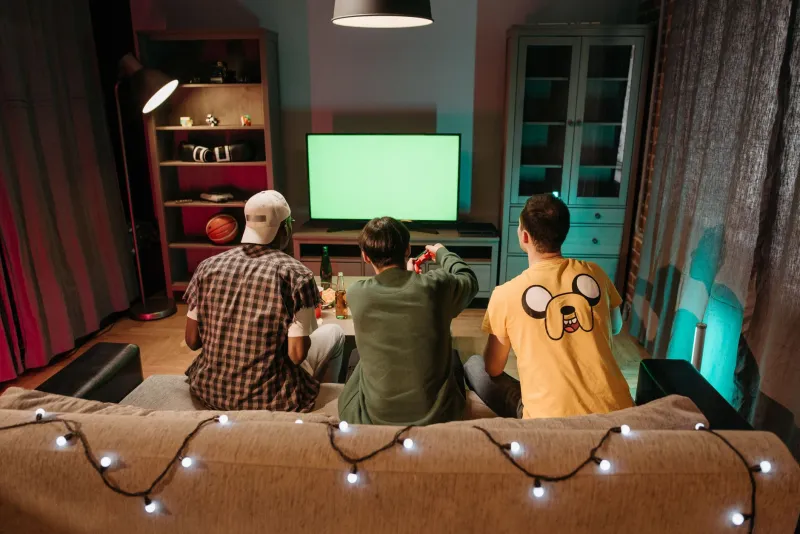
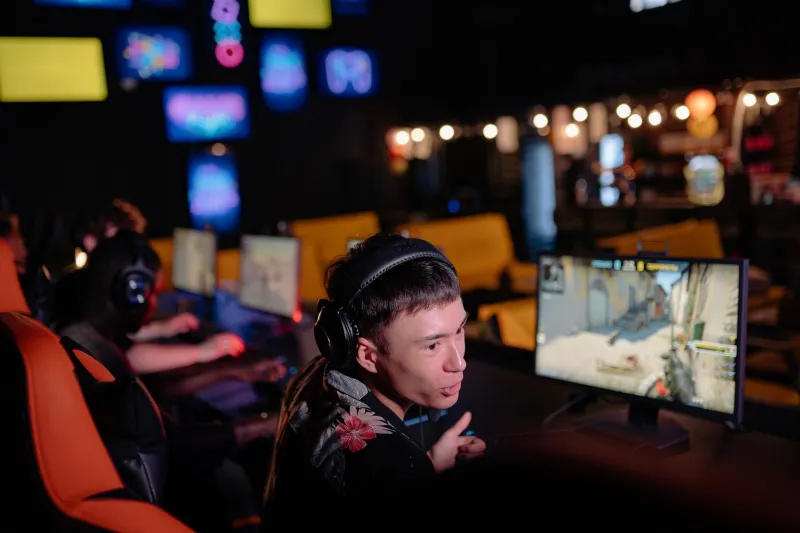
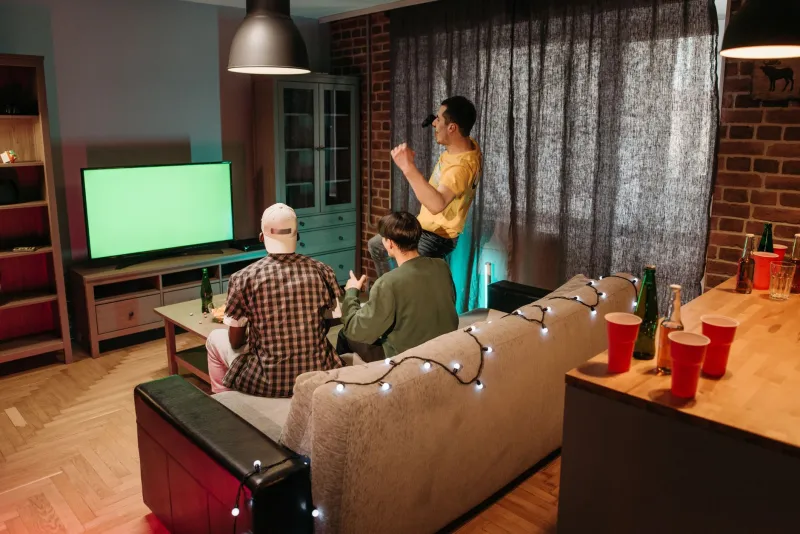
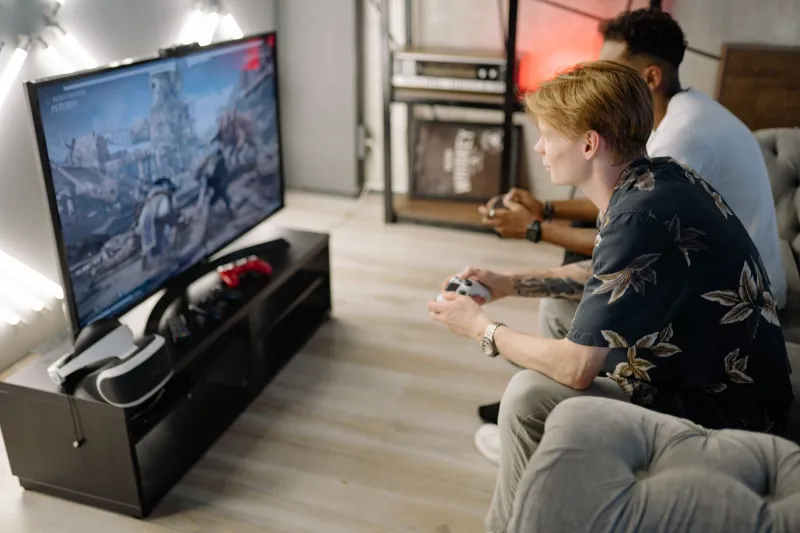
Somewhere along the way, we all got talked into playing alone together. Headsets on, mics hot, sitting in separate rooms in separate houses, yelling at a screen about a missed revive. It works. But if you've been to a living-room game night lately — or a barcade in Chicago, or a dorm common room at basically any Big Ten school — you've noticed something: same-screen gaming is back, and it's not just retro nostalgia.
The Comeback Nobody Planned
The couch co-op revival didn't come from a marketing push. It came from exhaustion. After years of matchmaking with strangers, US players started craving the stuff online play can't fake: the elbow jab after a clutch win, the groan when someone picks a terrible level, the shared pizza between rounds.
Indie developers noticed. For the last several years, a huge chunk of the best-reviewed multiplayer releases have shipped with shared-screen or same-room modes as a headline feature, not an afterthought. Hardware caught up too — modern consoles handle split-screen far better than the laggy, resolution-crushed versions we tolerated in the 2000s.
Nine Games Carrying the Torch
Here's our shortlist for a same-room session, whether your crew is two people or eight:
- It Takes Two — The gold standard for two-player co-op. Constantly reinvents itself, and somehow makes doing chores fun.
- Overcooked! All You Can Eat — Kitchen chaos that ends friendships and rebuilds them in the same hour. The definitive couch party starter.
- Cuphead (co-op mode) — Gorgeous, brutal, and way more fun when someone's suffering next to you.
- Move or Die — Rapid-fire minigames with rules that change every 20 seconds. Perfect warm-up game.
- Stardew Valley (split-screen) — Cozy farming, now shareable. Surprisingly great for couples and low-key nights.
- TowerFall Ascension — Four-player archer battles with pixel-perfect simplicity. Instant classic at any gathering.
- Untitled Goose Game (two-player) — Two horrible geese are funnier than one. Non-gamers love it.
- Lovers in a Dangerous Spacetime — One ship, four stations, total communication breakdown. Cooperative panic at its finest.
- Pico Park — Up to eight players solving puzzles that require actual teamwork. Cheap, chaotic, endlessly replayable.
Blending the Couch with the Cloud
The real magic trick for club game nights? Hybrid sessions. Half your crew's in the living room, half is remote. A few tips that keep it from feeling lopsided:
- One shared voice channel for everyone, including the people in the room. Nothing breeds resentment like the remote folks missing half the jokes.
- Give the room one mic and mute the rest to avoid echo, but keep room chatter flowing through that single feed.
- Pick games with fair online/local parity — titles where remote players aren't second-class citizens.
- Rotate the "couch advantage." If a game favors local players, swap hosts between sessions.
Same-Room Play Is a Feature, Not a Throwback
You don't have to choose between online clubs and in-person nights. The healthiest gaming communities we see run both — a weekly online lobby for the regulars and a monthly living-room session where the group actually meets faces to voices.
The split-screen renaissance isn't about rejecting online play. It's about remembering that games are better when the laugh you hear is real, in the same room, at the same volume. Grab a second controller. That's the whole assignment.