Play More, Lose Less: A Club Tournament That Doesn't End in Ten Minutes
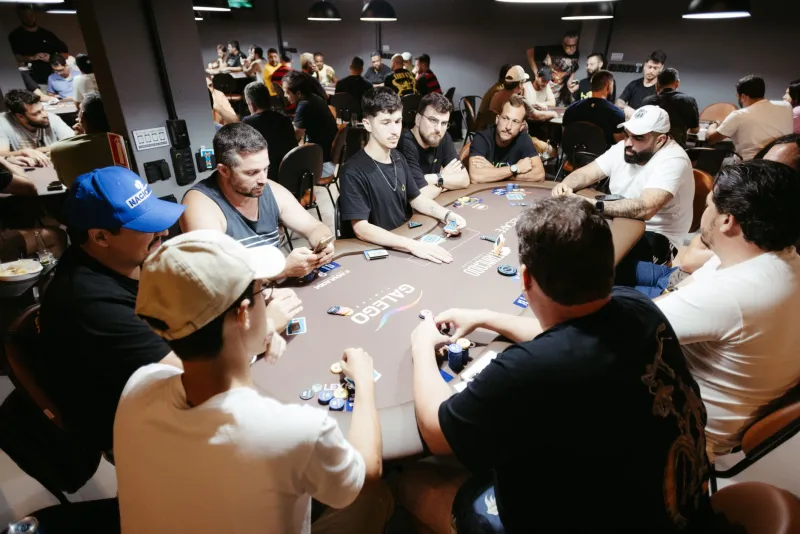
Single elimination looks great on a whiteboard. Then the first round ends, four players are out, and the room goes quiet while two people play a semifinal. For a casual club, that is not a tournament. That is a spectator sport with a snack table.
A club tournament should keep people in the game. Not because everyone needs a trophy, but because the point of a game night is playing games. Here is a format plan that stretches the night for everyone, crowns a winner, and never turns your friendly crew into a sweat-soaked esports bracket.
Set Expectations Before the Bracket
Before anyone shuffles cards, say the quiet part out loud: this is a club tournament, not a qualifier. Keep the stakes small — a silly trophy, a gift card from the club pot, bragging rights until next month. Set a time cap for every match, and tell players that a cap is not a punishment. It is how the whole room gets to play more rounds.
Also decide the vibe. Is coaching allowed? Is trash talk fine? Are players expected to help teach rules? Write the answers on a sticky note and put it next to the bracket. Casual tournaments fall apart when half the room thinks it is a friendly competition and the other half thinks it is a ranked ladder.
Format 1: Round Robin Pods — The Gold Standard for Small Crews
If you have six to eight players, round robin is the fairest and friendliest option. Everyone plays everyone once. With eight players, that is 28 matches — too many for one night unless the games are short. So split into two pods of four for the first phase, then reseed into a final pod and a consolation pod.
Each pod of four plays a mini round robin: three matches per player. That is six matches per pod, twelve total. With a 15-minute cap, the whole phase fits in about 90 minutes if you run two setups. Everyone plays three matches before anyone is declared out. That is the key difference from single elimination.
Use simple scoring: one point for a win, half a point for a draw if your game allows it. Tiebreakers can be head-to-head result, then point differential, then a quick coin flip. Do not let tiebreakers become a second tournament.
Format 2: Double Elimination — A Second Chance, Not a Second Job
Double elimination is the classic answer to the single-elimination blues. Lose once, drop to the losers bracket, and keep playing. It works well for 8 to 16 players, but it can drag if matches are long. Cap every match at 15 or 20 minutes and use a hard stop. If time expires, the player with the higher score wins; if tied, sudden death or a coin flip.
The losers bracket is where casual tournaments either shine or collapse. Shine: players who lose early get another match and stay engaged. Collapse: the losers bracket becomes a confusing second tournament that nobody can follow. Fix that by printing a simple bracket, assigning a bracket runner, and announcing the next match on deck every 10 minutes.
Double elimination also gives you a natural story. The player who lost in round one and fought back to the final is the tournament's best character. Lean into that.
Format 3: Consolation Bracket — The Still Playing Bracket
If you stick with single elimination for the main bracket, add a consolation bracket for first-round losers. This is not a consolation prize in the patronizing sense. It is a real bracket with a real winner, and it keeps eliminated players in the room instead of on the couch.
Call it the Second Chance Bracket or the Losers' Lounge. Give the winner a small prize — a candy bar, a silly medal, the right to pick the next game night's snack. The point is to make elimination mean a change of bracket, not the end of the night.
Format 4: Time-Capped Matches and Swiss Pods
Time caps are the unsung hero of casual tournaments. A 12-minute cap keeps matches moving and prevents one long game from eating the whole schedule. Use a visible timer, not a phone buried in someone's pocket. When the timer hits zero, finish the current round or turn, then score it.
Swiss-style pairing is another option if you have a larger group and want everyone to play the same number of rounds without a full round robin. Pair players with similar records each round, avoid repeat matchups, and stop after three or four rounds. It is fair, efficient, and keeps the middle of the pack playing meaningful matches.
Seed Fairly Without Overthinking It
Seeding is where casual tournaments get weird. Someone wants to rank everyone by skill, someone else wants pure random, and a third person wants to protect the newest player from a first-round beatdown.
Use a simple hybrid: random draw for the first round, then balanced pods for later rounds. If you know one player is dramatically stronger, spread the top players across pods instead of stacking them. If a brand-new player joins, pair them with a patient teacher in round one. That is not rigging the bracket. That is hospitality.
Write the seeding method on the bracket so nobody can accuse the host of secret favors. Transparency is worth more than perfect accuracy.
Crown a Winner Without Turning It Into a Sweatfest
At the end, gather everyone for a two-minute awards moment. Give the champion the trophy, the runner-up a handshake, and the consolation winner their silly medal. Then add one or two fun awards: Best Sport, Most Improved, Best Comeback, Loudest Groan. These awards cost almost nothing and make the night feel like a club event instead of a qualifier.
Most importantly, announce the next tournament date before people leave. A casual tournament is not a one-off. It is a ritual. Keep the format light, keep the time caps honest, and keep everyone playing. That is how a club tournament becomes something people mark on the calendar.