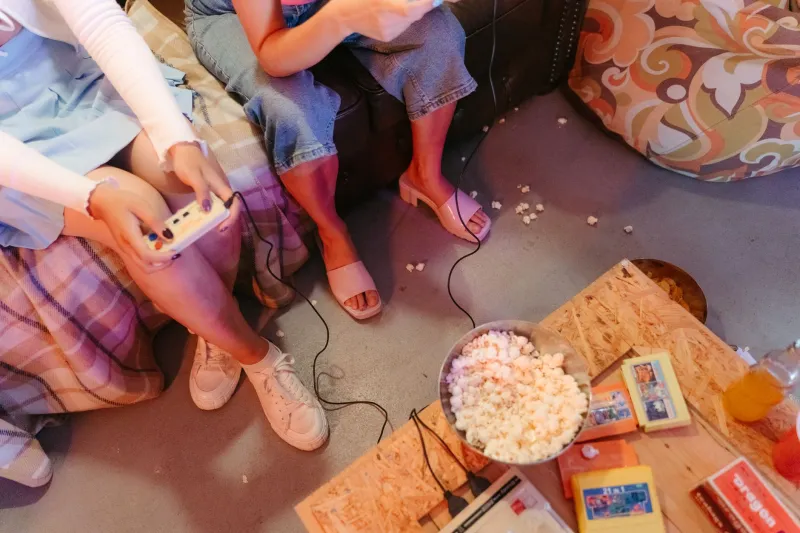
Ready for the Big Leagues? How to Take Your Casual Crew From Rec Night to Real Competition (Without Killing the Vibe)

Every game club hits that moment. You've been running the same Tuesday night crew for a while now, the inside jokes write themselves, and your squad has developed actual strategy instead of just chaos. Someone floats the idea: should we, like, compete?
It's a loaded question. Nobody wants to be the person who turns a pizza-and-laughs hangout into a joyless grind. But nobody wants to wonder 'what if' either. Here's how to find out if your crew has a competitive future — and how to chase one without wrecking what you've built.
First, an Honest Check-In
Before you sign up for anything, run your crew through this quick gut-check list:
- Attendance is steady. You've got at least four or five people who show up consistently, not just when the weather's nice.
- Skill gaps are manageable. Nobody's so far behind that competition would just be public humiliation for them.
- You can take a loss. If losing a match already ruins the night, ranked play will be brutal.
- Someone wants to organize. Leagues don't run themselves. Somebody has to care about schedules and registration.
- The vibe survives a bad night. You've had rough sessions before and still showed up the next week.
If you checked most of those boxes, congrats — you're a stronger candidate than most garage leagues that make the jump. If you didn't, that's fine too. Fix the weak spot first, then revisit.
Start Smaller Than You Think
The biggest mistake new competitive crews make is going straight for a big regional tournament and getting flattened. Dip a toe in first.
Look for a local ladder or casual league — think community game shops, college rec leagues, or online amateur brackets. These are low-stakes by design, full of other crews exactly like yours figuring it out. Losing there stings a lot less than losing on a stage, and you'll pick up the unwritten rules of competitive play (scheduling, rosters, match etiquette) in a forgiving environment.
A good first goal isn't winning. It's finishing a season and still wanting to hang out afterward. That's the real test.
Practice Without Making It Homework
Here's the thing about casual players: the second practice feels like a chore, they're out. Keep improvement baked into the fun:
- Run scrim nights instead of drills. Play real matches against each other or another friendly club, then talk through what happened over snacks.
- Give everyone one focus. Instead of reviewing everything, each player picks a single thing to work on that week. Low pressure, visible progress.
- Rotate the 'coach' hat. Let a different member lead the post-match debrief each week. It spreads the workload and keeps voices fresh.
- Cap the serious time. If your night runs three hours, keep at most half of it competitive. Save the rest for the goofing around that made your crew a crew.
Protecting the Couch-Co Energy
As the stakes climb, the culture can quietly shift. Guard against it deliberately:
- Ban stats talk for 24 hours after a loss. Debriefs happen at the next session, when everyone's cooled off.
- Keep the traditions. The snack rotation, the dumb pre-game ritual, the victory playlist — these are your club's identity. Competition is a chapter, not a replacement.
- Set a team rule about blame. One warning, then a conversation. Nobody gets scapegoated, ever.
- Celebrate weird wins. Best comeback, funniest fail of the night, most improved. Not everything is about the scoreboard.
War Stories From Crews Who Made the Jump
We've talked to plenty of clubs that went from basement brackets to regional events, and a pattern shows up. The ones who thrived treated competition like a season of the show, not a genre change. One crew from Ohio we heard about booked their first amateur league as 'away games' — road-tripping to a neighboring city's game shop, splitting gas money, turning match days into mini adventures. They lost more than they won that first season. They also came back and brought two new members with them.
Meanwhile, a crew that skipped the casual-league step and dove straight into a big regional bracket? They flamed out in round one, got quiet in the group chat, and the club folded within two months. The lesson isn't 'don't compete.' It's 'compete at the altitude you can breathe at.'
So, Are You Ready?
If your crew shows up, laughs through losses, and has at least one person willing to handle the boring logistics — yes. Find a local ladder, register, and treat the whole thing as a group adventure rather than a verdict on your skills.
And if you strike out in your first season? Welcome to the club. Literally. Every team that's ever lifted a trophy at a regional has a story about the year they went winless. The fun isn't the thing you sacrifice on the way up. It's the thing that gets you there.