Mark It on the Calendar: How Monthly Theme Nights Turn a Casual Game Club Into a Can't-Miss Ritual
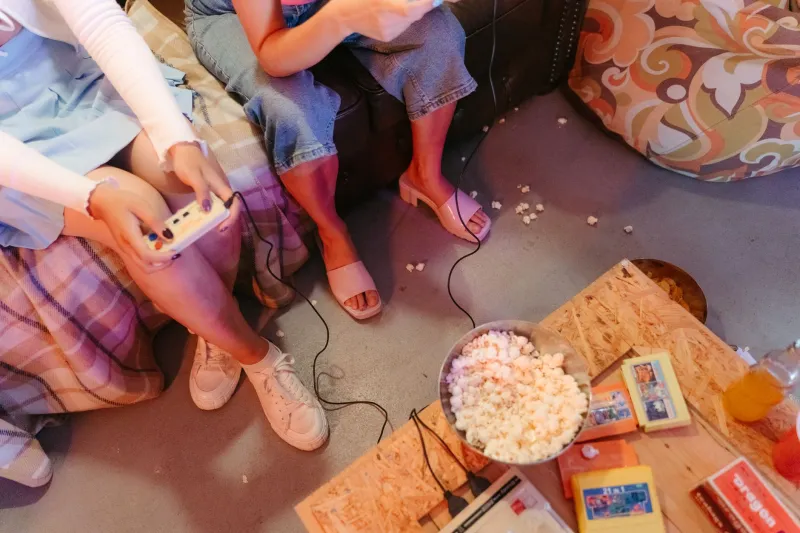
Every game club hits the same wall around month three. The crew still shows up, the pizza still gets ordered, but the energy flattens out. Same lobby, same map rotation, same "so, what are we playing tonight?" shrug.
The fix isn't a new console or a bigger game budget. It's a calendar with a theme on it.
Themed club nights give your regulars something to anticipate and your newbies a reason to finally commit. When someone knows that the first Friday of October is Retro Throwback Night, they don't just attend — they prep. They dig out their old controller, they argue about whether GoldenEye rules still apply, they bring a friend. That's the difference between a hangout and an event.
Why Themes Work When "Game Night" Stops Feeling Special
There's a simple psychology at play: novelty drives commitment. A standing game night is easy to skip because next week is identical to this week. A themed night is a deadline. Costumes get planned, snacks get coordinated, and nobody wants to be the one who missed Mario Kart Madness.
Themes also solve the silent killer of casual clubs — decision fatigue. Instead of twenty minutes of "well, what do YOU want to play," the theme picks for you. It narrows the library to a handful of options and suddenly even your most indecisive member has an opinion.
And here's the retention bonus: themed nights photograph well. Post three pictures from your Halloween costume tournament in the group chat and watch how many "wait, when's the next one?" messages roll in.
Your 12-Month Theme Calendar
Steal this wholesale or swap months around your crew's schedule. The goal is variety — some nights lean nostalgic, some lean competitive, some are basically an excuse to eat themed snacks.
January — New Year, New Lobby: Everyone brings one game nobody else has played. Great for clearing backlogs and surprising the group.
February — Duos Only: Partner tournaments across your favorite co-op and versus titles. Rotate partners each round so nobody gets stuck.
March — Retro Throwback: Anything from before 2010. Emulators, old consoles, whatever the club owns. Bonus points for CRT aesthetics if someone's got one in the garage.
April — Custom Rules Night: House-rule everything. One-hit Mario Kart, reversed controls, you name it. Vote on the chaos beforehand.
May — Local Legends: Couch co-op and split-screen only. No headsets, no cross-play, just elbow room and trash talk.
June — Costume-Optional Mario Kart Party: Exactly what it sounds like. Prizes for best character pick and best outfit.
July — Summer Showdown: Your first mini-tournament of the year. Bracket it, stream it to the group chat, crown a champion.
August — Guest Night: Every member brings one non-member. Free snacks for first-timers.
September — Genre Swap: FPS crowd plays farming sims, cozy gamers play shooters. Hilarity guaranteed.
October — Halloween Costume Tournament: The flagship event. Themed games, themed food, themed everything.
November — Potluck & Play: Everyone brings a snack, the club supplies the games. Low effort, high turnout.
December — Championship Night: Year-end bracket featuring the winners of every prior tournament, plus awards for stuff like Best Sport and Most Improved.
Decorating Without a Decorating Budget
Nobody's asking you to hire a party planner. Themed nights succeed on small, cheap touches:
- Dollar-store tableware in the theme's color palette. Green pipes for Mario night, neon for retro night.
- A printed bracket or scoreboard on the wall. It costs a sheet of paper and makes everything feel official.
- Spotify playlists matched to the theme. Chiptunes for throwback night costs nothing and sets the mood in seconds.
- One centerpiece, not twenty decorations. A single well-chosen prop — a vintage controller on display, a homemade trophy — does more than a wall of streamers.
Set a firm rule with yourself: under $20 per event, total. If a theme can't be done for twenty bucks, simplify the theme.
Prizes That Cost Almost Nothing
Skip the gift cards. The best club prizes are inside jokes and bragging rights:
- The traveling trophy: A ridiculous thrift-store object that the monthly winner keeps until the next event. A golden spatula. A bedazzled traffic cone. The weirder, the better.
- Naming rights: Winner picks next month's theme. This one's gold — it makes winning matter and crowdsources your calendar.
- The Wall of Champions: A poster where winners sign their name. Costs $3, becomes club history.
Making It Stick
Announce the full 12-month calendar at once, not month by month. When people can see Championship Night coming in December from January, attendance becomes a plan instead of an afterthought.
Assign one member as the monthly "commissioner" — they pick the final game list, handle the bracket, and post reminders. Rotate the role so nobody burns out and everyone gets a turn at running the show.
Finally, track what works. If Retro Night doubled your turnout and Genre Swap fell flat, adjust next year's calendar accordingly. Your club's theme calendar should evolve like a meta in a patch cycle — some things get nerfed, some become core.
The clubs that last aren't the ones with the best games. They're the ones with the best traditions. Give your crew twelve things a year to look forward to, and game night stops being something people attend and becomes something they belong to.