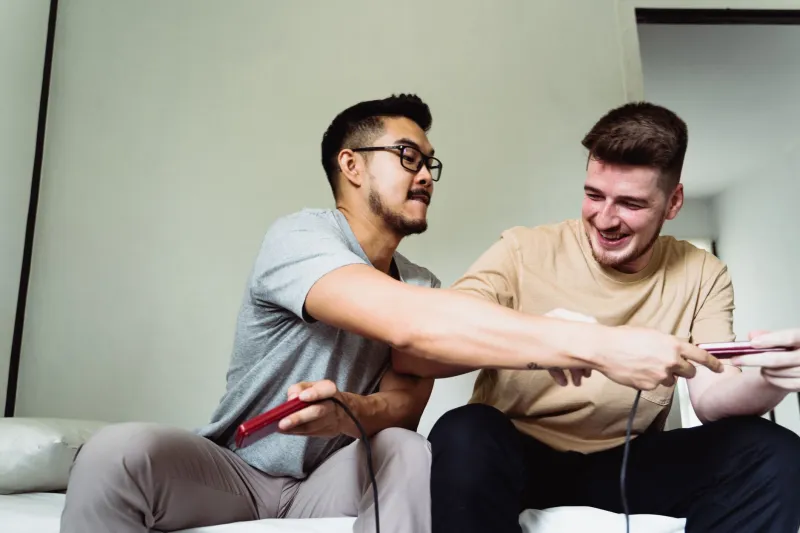
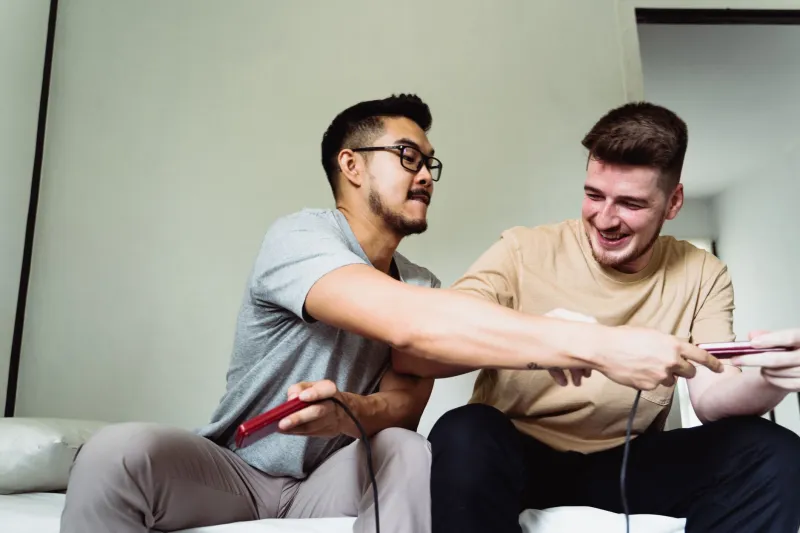
The Glue Guy (or Gal) Handbook: Becoming the Game Night Everyone Shows Up For

Every crew has one. The person who makes the Discord event, remembers that Marcus can't play Tuesdays, and somehow always has a game picked when the group chat goes silent for a week. Nobody elects them. They just... do it.
Here's the thing nobody says out loud: game nights don't die because people get bored of gaming. They die because nobody's driving. If you've ever thought about being that person — the glue — but worried it sounds like unpaid event planning, this one's for you.
What a Host Actually Does (Hint: It's Not Much)
The role sounds huge until you break it down. A host handles four things:
- The schedule — picking a time and defending it
- The lineup — choosing games that work for everyone in the room (or lobby)
- The follow-up — gentle nudges when people ghost
- The vibe — making sure nobody leaves feeling like a scrub
That's it. No spreadsheets required (unless you're into that, in which case, respect).
Nail the Schedule First, Games Second
The biggest rookie mistake is obsessing over which game to play before locking a time. Flip it. Ask your crew for two or three windows that work weekly, pick the one with the most overlap, and commit. "Every other Thursday, 8 PM Eastern" beats "we'll figure it out" every single time.
Pro move: Put it on the calendar as recurring and let the calendar do the nagging. People flake less when the invite shows up automatically.
Picking Games for a Mixed-Skill Crowd
You'll always have a grinder and a total newcomer in the same lobby. Your job is finding games where both can have fun. Some reliable patterns:
- Asymmetric chaos games (party-style titles where skill matters less than noise)
- Co-op over versus — nothing sours a new player faster than getting stomped solo
- Rotating captains or teams — spreads the skill gap around
- A "loser picks next" rule — keeps variety built in
Keep a short mental list of three or four go-to titles so you're never scrambling when the group can't decide. Decision fatigue kills more game nights than bad games do.
Handling No-Shows Without Being Weird About It
Someone missed twice in a row. Do you say something? Yes — but casually, and privately. A simple "hey, we missed you Thursday, everything cool?" does more than a passive-aggressive message in the group chat ever will.
A few ground rules that keep things drama-free:
- Never start a session with a hard guilt trip
- If someone's consistently out, ask if the time slot needs to move
- Don't build formats that require everyone — flexible player counts save friendships
Sample Templates You Can Steal
The invite:
🎮 Game Night — Thursday 8 PM ET We're doing [game] first, then whatever. Bring a snack, bring a friend, no sweat if you're late. Voice chat link below.
House rules (keep it to three):
- Trash talk is legal; punching down is not
- Anyone can call a game swap after two rounds
- New folks get a grace game before we go full tryhard
The rotation:
Week 1: Dana's pick | Week 2: Open lobby | Week 3: Sam's pick | Week 4: Party night
Rotation systems spread the hosting load and give everyone a stake. If one person owns every week, resentment builds — and the night collapses the moment they burn out.
The Pre-Game Checklist
- Calendar invite sent at least 48 hours ahead
- Game (and backup game) picked
- Voice/room link tested
- One new-person-friendly game in the lineup
- Snacks or a "bring your own" note if it's in person
You're Not the Boss, You're the Glue
Here's the mindset shift that makes hosting sustainable: you're not in charge of people, you're in charge of momentum. Show up on time, keep the tone light, share the load through rotation, and your game night becomes the standing appointment nobody wants to miss.
That's the whole playbook. Now go send the invite.